Tree Trunk Removal in Calvert County, MD
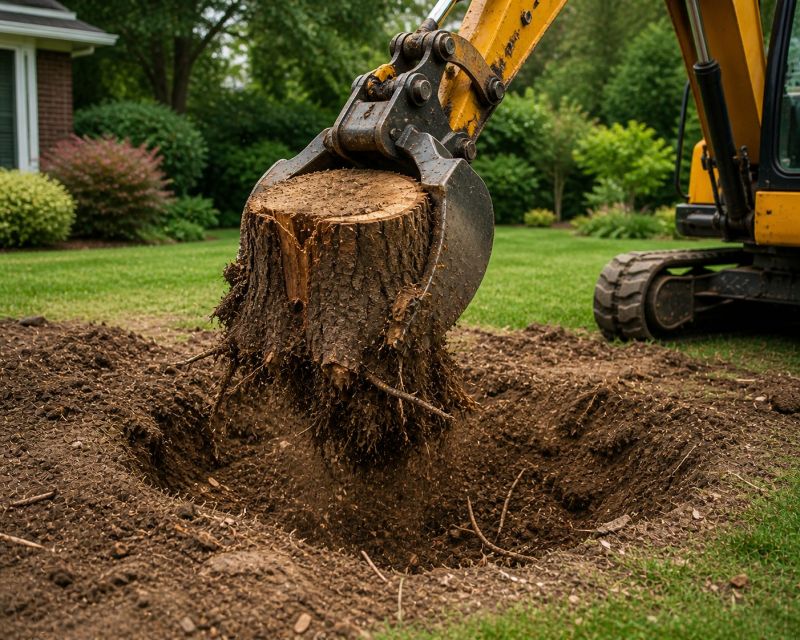
Tree trunk removal services involve the safe and efficient removal of entire tree trunks that are dead, damaged, or pose a safety risk. This service covers a variety of projects, including clearing fallen trees, removing stumps after tree removal, or eliminating problematic trunks that interfere with property use or landscaping plans. Property owners should consider factors such as the size and location of the trunk, potential hazards during removal, and any underground utilities or nearby structures that might influence the process before requesting this service.
Homeowners typically seek tree trunk removal to improve safety, prevent property damage, or prepare for landscaping projects. It’s important to understand the extent of the work involved, including the equipment used and the disposal process for the removed material. Clarifying these aspects beforehand can help ensure the project aligns with property goals and safety considerations, making the removal process smooth and effective.
Many property owners in Calvert County, MD look into Tree Trunk Removal for repairs, replacements, upgrades, and appearance-related improvements.
Tree Trunk Removal Options
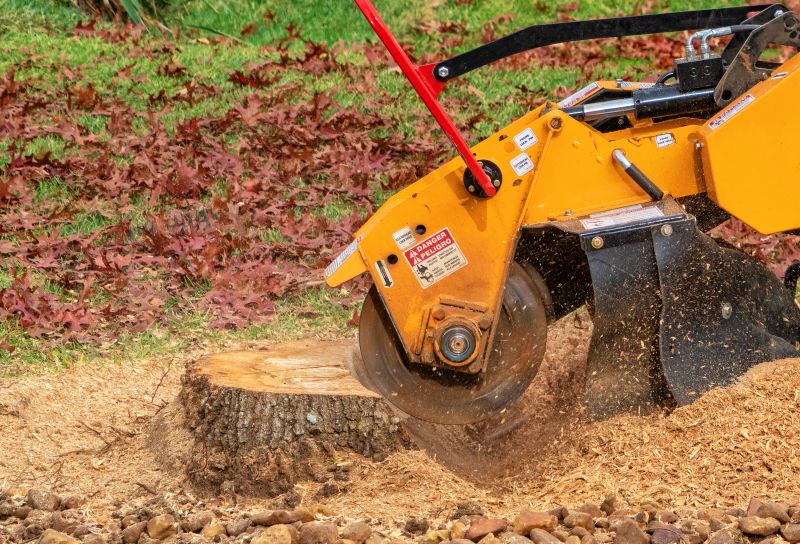
Removing damaged or hazardous trunks helps maintain property safety and aesthetics.
Reasons For Trunk Removal
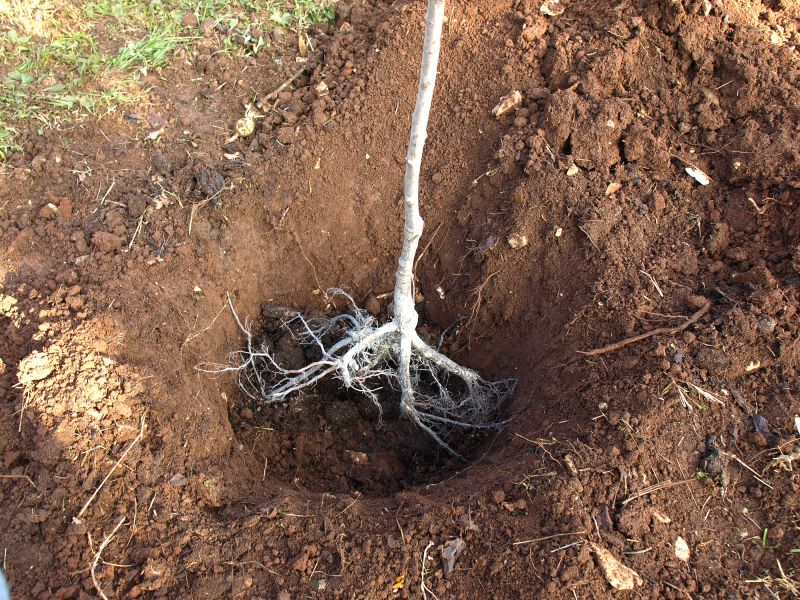
Trunk removal is often needed after storms, disease, or to clear space for new landscaping projects.
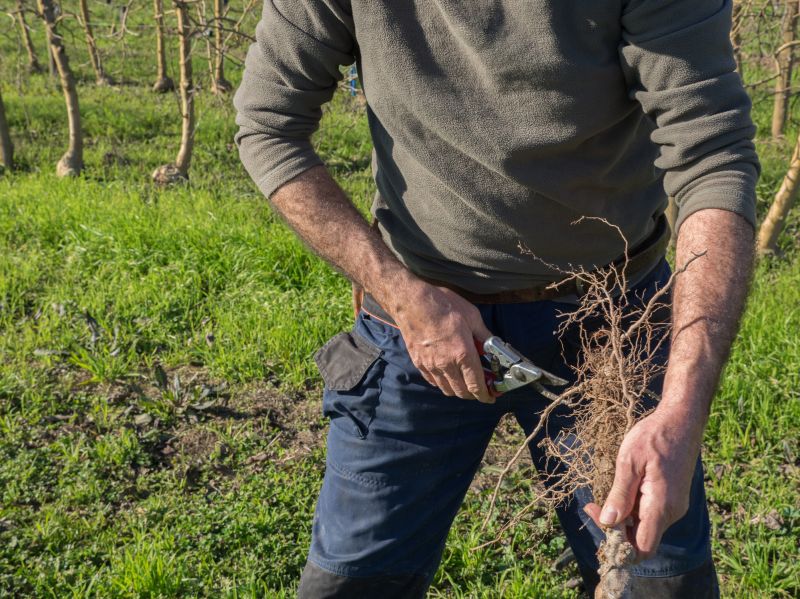
Property Enhancement Benefits
Proper trunk removal can improve tree health and prevent potential property damage in calvert county, md.
Tree Trunk Removal in Calvert County, MD
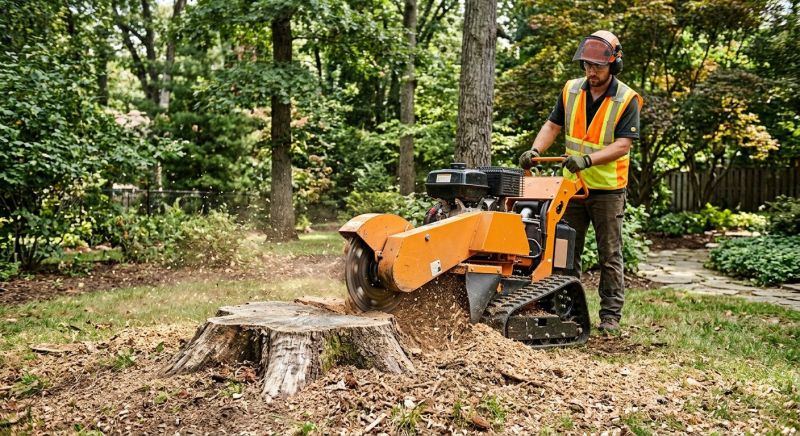
Tree trunk removal services involve the safe and efficient removal of entire tree trunks that are dead, damaged, or pose a safety risk. This service covers a variety of projects, including clearing fallen trees, removing stumps after tree removal, or eliminating problematic trunks that interfere with property use or landscaping plans. Property owners should consider factors such as the size and location of the trunk, potential hazards during removal, and any underground utilities or nearby structures that might influence the process before requesting this service.
Homeowners typically seek tree trunk removal to improve safety, prevent property damage, or prepare for landscaping projects. It’s important to understand the extent of the work involved, including the equipment used and the disposal process for the removed material. Clarifying these aspects beforehand can help ensure the project aligns with property goals and safety considerations, making the removal process smooth and effective.
Many property owners in Calvert County, MD look into Tree Trunk Removal for repairs, replacements, upgrades, and appearance-related improvements.
Common Tree Trunk Removal Jobs
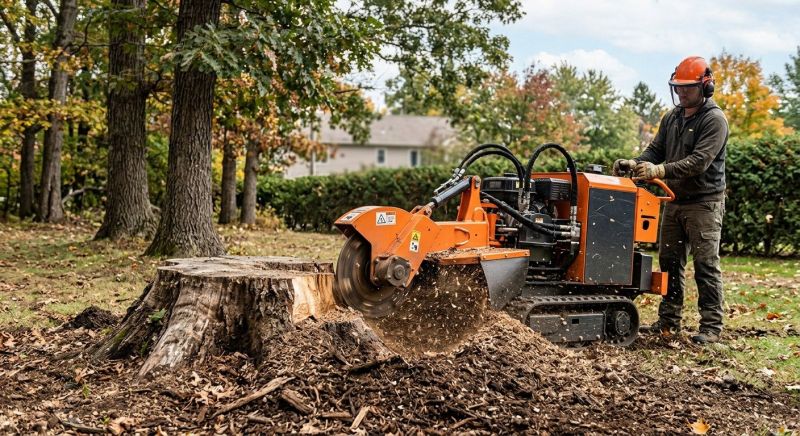
Tree trunk removal - clearing large or damaged trunks to improve landscape safety.
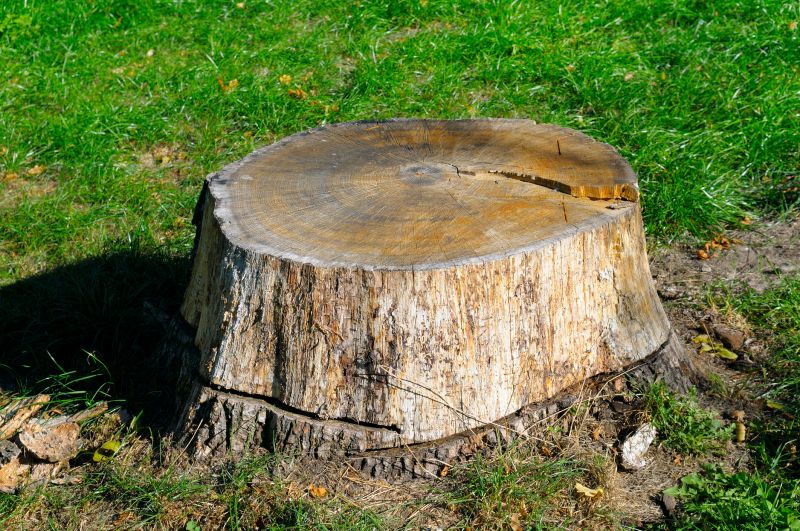
Stump removal - eliminating remaining stumps to prevent pest issues and allow new planting.
Storm damage cleanup - removing fallen or broken trunks after storms to protect property.
Overgrown tree clearing - removing excessive trunk growth to maintain healthy tree structure.
Construction site clearing - removing trunks to prepare land for development or landscaping projects.
Hazardous tree removal - taking out trunks that pose a risk of falling or property damage.

Tree Trunk Removal Questions
When is tree trunk removal necessary? Trunk removal is needed when a tree is dead, diseased, or poses a risk to property or safety.
What are common reasons for removing a tree trunk? Reasons include storm damage, pest infestation, or to clear space for construction or landscaping projects.
Can trunk removal help prevent tree-related hazards? Yes, removing a compromised trunk can reduce the risk of falling branches or the entire tree falling.
What should property owners consider before trunk removal? It’s important to evaluate the tree’s condition, location, and potential impact on surrounding structures or plants.
Request Tree Trunk Removal in Calvert County, MD
Use the quote form on this page to share the basics of your project and request more information for the type of work you need.